
Laser Hair Removal for Ingrown Hairs: Can It Help?
 "Laser Hair Removal for Ingrown Hairs: Can It Help?")
Ingrown hairs can turn an ordinary grooming routine into an uncomfortable cycle.
You shave or wax, the skin initially feels smooth and then small bumps begin to appear. Some may itch or feel tender. Others become inflamed, develop pus or leave dark marks that remain long after the hair is released.
Changing razors, exfoliating more frequently or trying another removal method may provide temporary relief, but the bumps often return when the hair grows back.
Laser hair removal may help break this cycle.
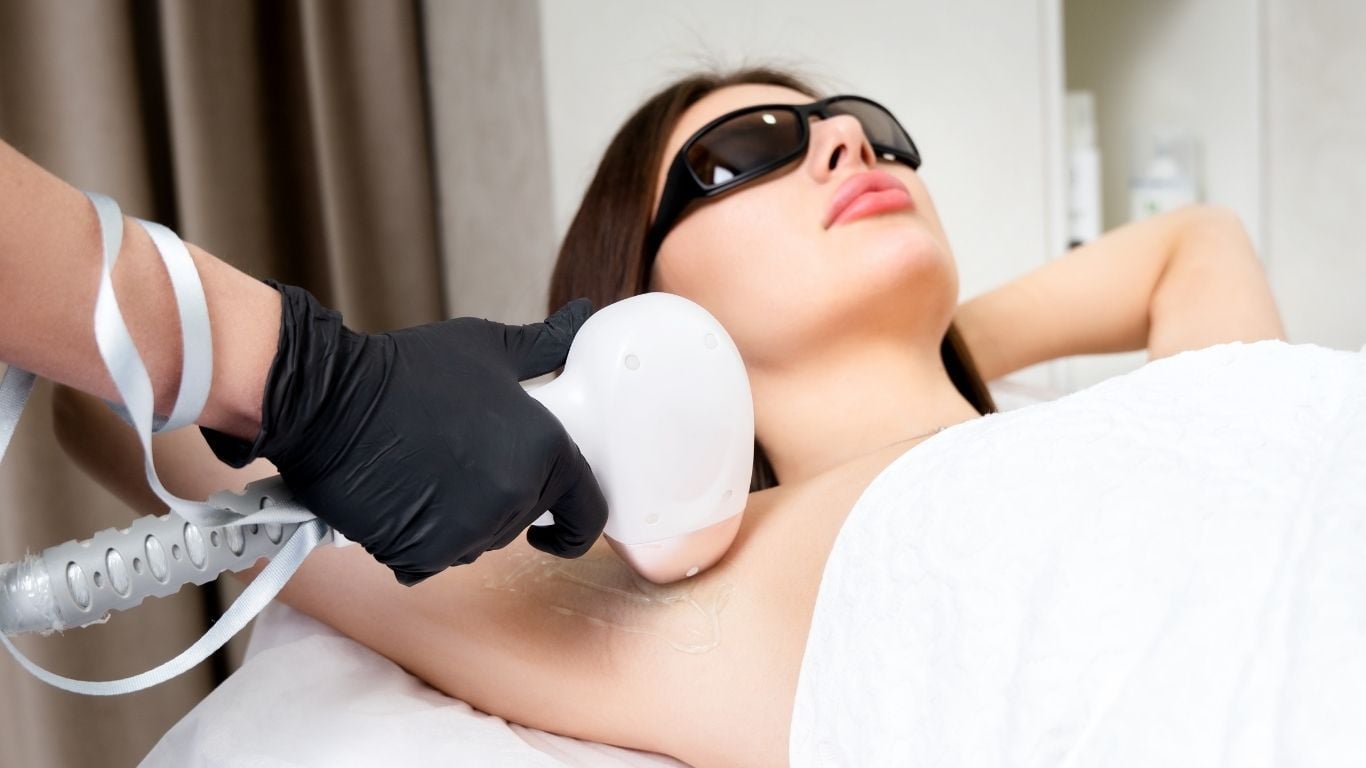
Instead of repeatedly cutting or pulling out hair, laser treatment delivers concentrated light energy to pigmented hair follicles. A successful series reduces the amount and thickness of future growth, leaving fewer hairs available to curl back into the skin.
This can make laser hair removal particularly helpful for people who experience recurring ingrown hairs, razor bumps or shaving irritation.
However, laser treatment is not an instant remedy for every existing bump, and it cannot diagnose infections or other conditions that resemble ingrown hairs. Understanding what causes the problem—and how laser treatment affects future growth—can help you develop realistic expectations.
What Is an Ingrown Hair?
An ingrown hair develops when a hair grows into or becomes trapped beneath the skin instead of emerging normally from the follicle.
Sometimes a newly cut hair curves back and re-enters the skin. In other cases, dead skin or inflammation blocks the follicular opening, causing the hair to grow sideways beneath the surface.
The body recognizes the trapped or re-entering hair as an irritant. This can trigger inflammation, creating a bump that may look similar to a pimple.
An ingrown hair may cause:
- A small red, brown or skin-coloured bump
- Tenderness or itching
- A visible hair beneath the surface
- Swelling
- Pus when the area becomes inflamed or infected
- Darkening after the bump heals
- Repeated bumps in the same treatment area
Ingrown hairs commonly occur in areas where hair is shaved, waxed, tweezed or threaded. These include the face, neck, underarms, bikini area, legs, chest and back.
Why Do Some People Develop More Ingrown Hairs?
Hair texture plays an important role.
Coarse or curly hair is more likely to bend toward the skin after it has been cut. A close shave can leave a sharpened hair tip just beneath the surface, where it may curve into the surrounding tissue as it grows.
The American Academy of Dermatology explains that razor bumps, medically called pseudofolliculitis barbae, are particularly common when short, coarse or curly hairs grow back into the skin.
Other contributing factors can include:
- Shaving too closely
- Shaving against the direction of growth
- Pulling the skin tight while shaving
- Repeated waxing or tweezing
- Dull or contaminated razors
- Friction from tight clothing
- Accumulated dead skin
- Naturally coarse or curved hair
- Inflammation around the follicle
- A history of recurring ingrown hairs
Anyone can experience ingrown hairs, but pseudofolliculitis barbae is particularly common among people with tightly curled facial hair. Bumps may be more persistent and can cause significant discolouration or scarring.
Ingrown Hairs, Razor Burn and Folliculitis Are Not the Same
Several conditions can produce bumps around hair follicles.
Razor burn is irritation caused by shaving. It often appears as widespread redness, burning or sensitivity rather than individual bumps containing trapped hairs.
Pseudofolliculitis develops when hairs re-enter or become trapped in the skin and cause inflammation.
Folliculitis is inflammation of the hair follicle. It can occur due to irritation, bacteria, yeast or other causes. According to the American Academy of Dermatology, infectious folliculitis may resemble a sudden acne breakout and can be itchy or painful.
Acne, contact dermatitis and other skin conditions may also resemble ingrown hairs.
Laser hair removal may reduce bumps associated with recurring hair growth, but it does not replace medical treatment for an active infection. Painful, spreading, draining or persistent bumps should be assessed before a cosmetic procedure is performed.
How Does Laser Hair Removal Work?
Laser hair removal uses concentrated light to target pigment within the hair.
The absorbed energy converts to heat and damages structures responsible for future growth. Successfully treated follicles may stop producing hair or grow hair that is lighter and finer.
Enhanced Medical Aesthetics uses the Elite iQ™ system, which offers customized laser hair removal based on factors including skin type and treatment area. The system incorporates Skintel™, a melanin-reading technology used to support treatment selection.
Laser treatment is most effective when there is enough pigment in the hair to absorb the energy. Darker hair generally responds better than blonde, white, grey or red hair.
A consultation is necessary to assess hair colour, texture, skin tone, medical history and the condition of the planned treatment area.
How Can Laser Hair Removal Reduce Ingrown Hairs?
Laser hair removal does not simply exfoliate the surface or release a trapped hair. It targets the source of recurring growth.
When fewer hairs grow back, fewer can become trapped beneath the skin. When regrowth becomes finer, the hair may also be less likely to create the same degree of inflammation.
This is the key difference between laser treatment and temporary measures.
A scrub may help remove dead surface cells. Tweezers may release one visible hair. A shaving adjustment may reduce irritation. These steps can be useful, but they do not substantially change the follicle’s future production.
Laser treatment may reduce:
- The number of hairs growing in the area
- The thickness of regrowth
- The need for frequent shaving or waxing
- Repeated friction and irritation
- The opportunity for hairs to curl into the skin
- Recurring razor bumps caused by regrowth
The American Academy of Dermatology identifies laser hair removal as an option for people who experience constant razor burn or ingrown hairs from shaving.
Results vary, and maintenance treatment may eventually be needed.
Does Laser Hair Removal Treat Existing Ingrown Hairs?
Laser hair removal is mainly a strategy for reducing future growth and recurrence. It should not be viewed as an immediate way to extract every existing ingrown hair.
Some bumps may improve as the hair is naturally released and inflammation settles. However, an active, infected or severely inflamed lesion may need to heal before laser treatment is performed.
Do not dig into the skin with needles or tweezers. This can push bacteria deeper, increase inflammation and cause discolouration or scarring.
If the area contains painful cyst-like bumps, pus, spreading redness or significant swelling, seek professional assessment. Medical treatment may be needed before laser hair removal can safely begin.
Which Areas Can Be Treated?
Laser hair removal may be used on many areas where ingrown hairs commonly develop, including the:
- Face
- Beard and neck area
- Underarms
- Bikini line
- Legs
- Chest
- Abdomen
- Back
Treatment around the eyes is avoided, and certain areas may require additional precautions.
The approach must be customized. Facial hair may be influenced by hormones and can respond differently from leg or underarm hair. Skin tone, tanning history and hair density also affect the settings and schedule.
Is Laser Hair Removal Effective for Razor Bumps?
It can be helpful when razor bumps are caused by hairs repeatedly curling into the skin.
Reducing facial or neck hair means less shaving is required and fewer short, sharply cut hairs are present to re-enter the skin. This may reduce both the frequency and severity of bumps.
Laser treatment can be particularly valuable when someone has already tried careful shaving techniques but continues to experience pseudofolliculitis.
However, results depend on the contrast between hair pigment and skin, the laser technology, settings and treatment consistency.
A medical provider should assess severe razor bumps, especially when there is extensive inflammation, infection, scarring or keloid formation.
Can It Help Prevent Dark Marks from Ingrown Hairs?
Repeated inflammation can trigger post-inflammatory hyperpigmentation. These flat brown, grey or bluish marks may remain after the bump itself heals.
By reducing future hair growth and inflammation, laser hair removal may help prevent some new marks from forming. It does not guarantee that existing pigmentation will disappear.
Some marks fade gradually once the source of inflammation is controlled. Others may benefit from a separate skincare or professional treatment plan.
It is important to prevent unnecessary inflammation during laser treatment itself. Settings must be appropriate for the person’s skin tone, and sun exposure should be avoided as directed.
Picking at bumps is another significant contributor to dark marks and scarring. Even when a trapped hair is visible, aggressive extraction can prolong the problem.
How Many Treatments Are Needed?
Multiple sessions are necessary because laser treatment is most effective during the active growth phase.
Not every follicle enters this phase at the same time. One appointment can only affect the hairs that are appropriately positioned in their growth cycle on that day.
Enhanced Medical Aesthetics typically recommends approximately six treatments for the best results, although individual plans vary.
The total number may depend on:
- Hair colour and thickness
- Skin tone
- Treatment area
- Hair density
- Hormonal influences
- Previous hair-removal methods
- Individual response
- Consistency in attending appointments
Some people notice less regrowth after early sessions, but completing the recommended series is important. Occasional maintenance treatments may be needed as previously inactive follicles begin producing hair or hormonal changes influence growth.
When Will Ingrown Hairs Begin to Improve?
Improvement is gradual.
Following a treatment, affected hairs do not necessarily disappear immediately. They may shed over the following days or weeks.
As the series progresses, you may notice that regrowth becomes patchier, finer or slower. With fewer hairs returning, ingrown bumps may occur less often.
The pace of change varies. Someone with dense, coarse beard hair may have a different experience from someone treating a smaller bikini-line area.
Existing dark marks and scars will not necessarily resolve at the same rate as the hair reduction. Preventing new inflammation and correcting previous skin changes are related but separate goals.
What Does Laser Hair Removal Feel Like?
Clients commonly describe the sensation as a brief snap, sting or burst of heat.
Discomfort depends on the treatment area, hair density and individual sensitivity. Areas with coarse, dense hair may initially feel more intense because more energy is being absorbed.
The Elite iQ system is designed to deliver customized treatment. Your provider can explain the technology, expected sensations and comfort measures during the consultation.
The goal is not to use the highest tolerable energy. Settings must balance effectiveness with the need to protect the surrounding skin.
Tell the provider immediately if the sensation becomes unexpectedly intense or you notice a concerning reaction.
How Should You Prepare for Treatment?
Preparation affects both safety and results.
Enhanced Medical Aesthetics recommends:
- Shaving the treatment area the day before
- Arriving without lotion, perfume or deodorant on the area
- Avoiding UV exposure and self-tanning products for at least 14 days
- Avoiding activities that significantly raise body temperature on the appointment day
- Postponing resurfacing and collagen-stimulating treatments in the area
- Pausing certain irritating facial products as instructed
- Stopping waxing, tweezing, threading and sugaring for at least four weeks
- Discussing a history of cold sores and possible antiviral medication with a physician
Shaving is allowed because it leaves the follicle and root available for the laser to target. Waxing and tweezing remove the hair from the follicle, leaving less pigment for the laser to identify.
Do not stop prescription skincare or medication without consulting the professional who prescribed it.
Why Should You Avoid Waxing Between Sessions?
The laser needs hair pigment within the follicle.
Waxing, tweezing, threading and sugaring pull hair out by the root. If the target is absent at the next appointment, treatment may be less effective.
Shaving cuts the hair at the surface without removing the follicular target. It is therefore the usual temporary removal method between laser sessions.
This change may initially feel difficult for someone who waxes specifically to avoid shaving-related bumps. Use the shaving technique recommended by the clinic and avoid repeatedly passing a razor over inflamed skin.
If shaving causes severe irritation, discuss timing and technique with your provider rather than switching back to waxing without telling them.
What Should You Expect After Treatment?
The skin may appear red or slightly swollen around treated follicles. It may also feel warm or sensitive.
These effects are generally temporary. Follow the clinic’s instructions regarding cooling, cleansing, moisturizing and sun protection.
You may be advised to avoid:
- Hot baths or showers
- Saunas and hot tubs
- Strenuous exercise
- Swimming
- Fragranced products
- Scrubs and exfoliating acids
- Tight clothing over the treated area
- Direct sun exposure
Do not pick at bumps or attempt to pull out hairs that appear to be growing after treatment. Some are being shed and will release naturally.
Contact the clinic if you develop blistering, severe pain, extensive swelling, crusting or an unexpected change in pigmentation.
Is Laser Hair Removal Safe for All Skin Tones?
Modern laser systems can treat a broader range of skin tones than older technology, but safe treatment still requires appropriate wavelength and settings.
The laser must target pigment in the hair while minimizing energy absorbed by the surrounding skin. This becomes especially important when the skin contains more melanin or has recently tanned.
Enhanced Medical Aesthetics uses the Elite iQ system and Skintel melanin reader to support personalized treatment.
No device eliminates all risk. Burns, blisters, changes in pigmentation and scarring are possible if treatment is inappropriate or settings are poorly selected.
A consultation, accurate disclosure of sun exposure and adherence to preparation instructions are essential.
Does Laser Hair Removal Work on Every Hair Colour?
No.
Laser technology relies on pigment, so dark hair generally responds best. Blonde, white, grey and many shades of red hair contain too little of the pigment targeted by conventional hair-removal lasers.
Fine, lightly pigmented hair may also respond less predictably.
Avoid a clinic that guarantees results before examining your hair and skin. A consultation should establish whether enough target pigment is present and whether laser treatment is likely to be worthwhile.
Is Hair Removal Truly Permanent?
Laser hair removal is more accurately described as permanent hair reduction rather than guaranteed removal of every hair forever.
Successfully treated follicles may stop producing hair. Others may eventually produce finer or lighter regrowth.
Hormonal changes, pregnancy, aging, medications and medical conditions can also influence new hair growth.
The realistic goal is a substantial and lasting reduction that decreases the need for shaving or waxing—and, for someone prone to ingrown hairs, reduces the cycle that causes recurring bumps.
Maintenance appointments may be recommended.
Who May Need to Postpone Treatment?
Laser hair removal may need to be postponed if the planned area has:
- Active infection
- Open wounds
- Significant inflammation
- Sunburn or a recent tan
- Residual self-tanner
- A severe acne or folliculitis flare
- Recent resurfacing treatment
- An unexplained rash or lesion
Certain medications and medical conditions can also affect suitability. Tell the clinic about everything you take, including prescription drugs, over-the-counter products and supplements.
Pregnancy, breastfeeding, cold-sore history, photosensitivity and a tendency toward abnormal scarring should be discussed during the consultation.
Can You Still Get Ingrown Hairs After Laser Treatment?
Yes. Laser hair removal can reduce recurrence, but it cannot promise that you will never experience another ingrown hair.
Some follicles may not respond completely. Hormonal changes can also stimulate new growth.
The likelihood of recurring bumps generally decreases as the amount and coarseness of hair decrease. Continuing good skin and shaving practices for any remaining growth can help support the result.
If bumps continue despite substantial hair reduction, another condition may be responsible and should be assessed.
Other Ways to Reduce Ingrown Hairs
While completing a laser series, several habits may help reduce irritation:
- Use a clean, sharp razor
- Shave in the direction of hair growth
- Avoid pulling the skin tight
- Use a lubricating shaving product
- Limit repeated passes over the same area
- Avoid picking or digging at trapped hairs
- Wear looser clothing over frequently irritated areas
- Use only exfoliating products recommended for your skin
- Keep razors clean and replace them regularly
More exfoliation is not always better. Aggressive scrubbing can worsen inflammation and increase the risk of dark marks.
If you experience constant razor bumps, ask whether your shaving routine should be adjusted while completing laser treatment.
Laser Hair Removal for Ingrown Hairs in St. Albert
Laser hair removal may offer a longer-term approach to recurring ingrown hairs because it reduces the hair growth responsible for the problem.
Unlike temporary extraction or surface exfoliation, laser energy targets pigmented follicles. As regrowth becomes sparser and finer, there are fewer hairs available to curl back into the skin.
Enhanced Medical Aesthetics provides Elite iQ laser hair removal in St. Albert with treatment customized according to the area, hair and skin.
Results require a series, and not every hair colour is suitable. A consultation is the best way to determine whether laser treatment can address your pattern of ingrown hairs.
Break the Cycle of Shaving Irritation and Ingrown Hairs
If shaving or waxing repeatedly leads to painful bumps, inflammation or dark marks, reducing future hair growth may be more effective than treating each ingrown hair after it appears.
Enhanced Medical Aesthetics can assess the area, explain how Elite iQ laser hair removal works and recommend a treatment schedule based on your skin and hair.
Contact Enhanced Medical Aesthetics or book a consultation at the St. Albert clinic to learn whether laser hair removal may help reduce unwanted hair and recurring ingrown hairs.
This article is provided for general educational purposes and does not replace medical advice or diagnosis. Painful, infected, spreading or persistent skin lesions should be assessed by a qualified healthcare professional. Treatment suitability and results vary.
| Tags:SkincareLaser Hair RemovalLaser Treatments |