
Chemical Peel vs. HydroFacial: Which Treatment Does Your Skin Need?
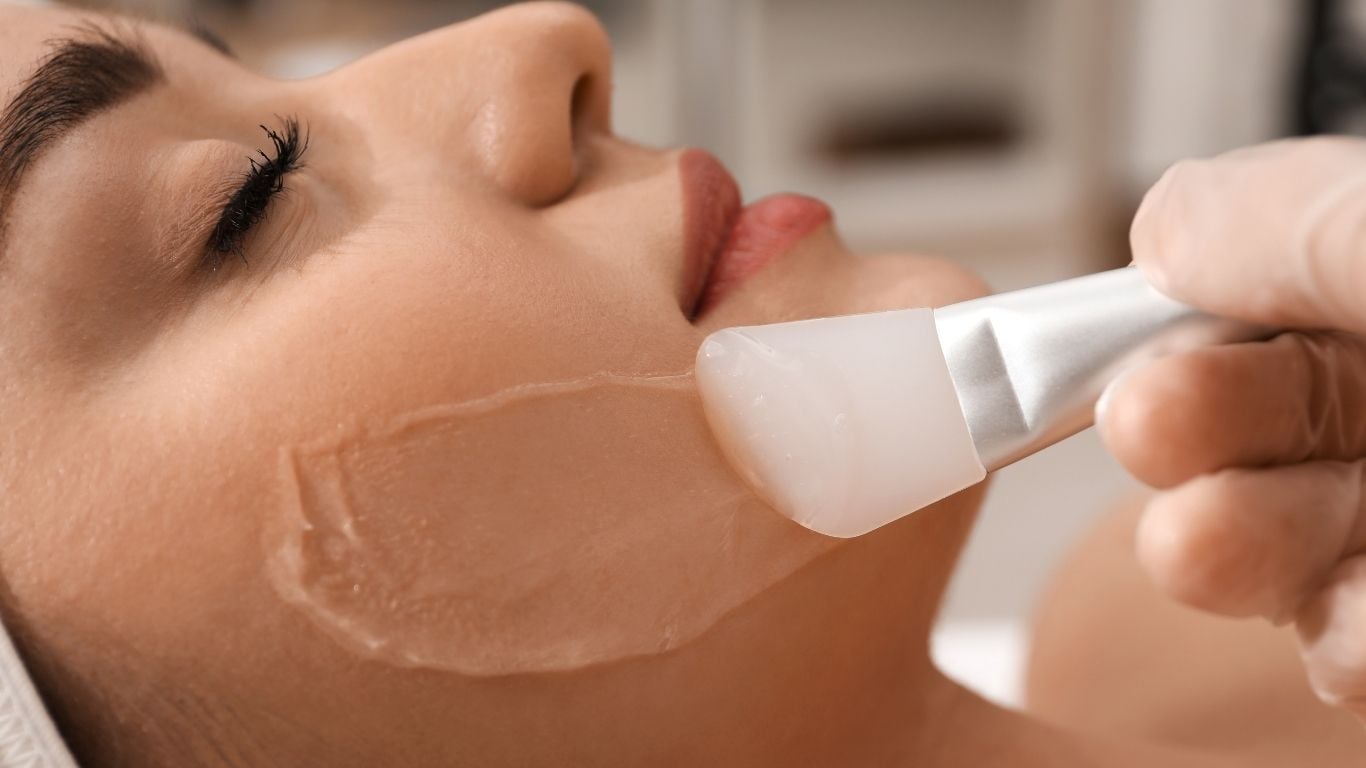 "Chemical Peel vs. HydroFacial: Which Treatment Does Your Skin Need?")
When your complexion looks dull, congested, dry or uneven, professional exfoliation can help refresh its appearance. However, choosing an appropriate treatment is not always straightforward.
Chemical peels and HydroFacials are both designed to remove accumulated surface debris and improve the appearance of the skin, but they use very different methods. They also differ in intensity, downtime and the types of concerns they may be best suited to address.
A HydroFacial combines hydrodermabrasion, exfoliation, extractions and serum infusion. It is generally selected when someone wants a gentler treatment that supports hydration, radiance and clearer-looking pores with little to no downtime.
A chemical peel applies a carefully selected solution to produce controlled exfoliation at a particular depth. Depending on its formulation and strength, a peel may address concerns such as pigmentation, acne, rough texture, fine lines or visible sun damage.
Neither treatment is automatically better. The right choice depends on your skin, the concern you want to improve, your tolerance for downtime and the intensity of treatment that is appropriate for you.
This comparison explains how chemical peels and HydroFacials work, what results you may expect and why a professional skin assessment should guide your decision.
What Is a HydroFacial?
A HydroFacial is a non-invasive facial treatment that combines gentle hydrodermabrasion with cleansing, vortex exfoliation, extractions and serum infusion.
Instead of relying on abrasive crystals or a strong resurfacing solution, a HydroFacial uses a specialized device to move fluid across the skin while loosening and removing accumulated debris. Nourishing and hydrating serums are then applied to support a smoother and more refreshed complexion.
At Enhanced Medical Aesthetics, HydroFacial treatments can be customized to include several steps, depending on the treatment level selected. These may include:
- Cleansing and vortex exfoliation
- Gentle extractions
- Hydrating serum infusion
- Medical-grade skincare
- Radiofrequency skin lifting
- Ultrasonic therapy
- Cold-hammer therapy
- A customized mask
- Dermaplaning
- Facial massage and SPF
Because a HydroFacial is relatively gentle, it can be useful before an event or as part of a regular professional skincare routine.
What Is a Chemical Peel?
A chemical peel uses an exfoliating solution to remove damaged or accumulated layers of skin.
The word “chemical” can make the treatment sound harsh, but chemical peels vary significantly. A mild peel designed for sensitive skin is very different from a medium-depth or deeper corrective peel.
Common peeling ingredients include glycolic acid, lactic acid, salicylic acid, trichloroacetic acid, retinoic acid and other carefully selected agents. Each ingredient has different properties, and the concentration is only one factor affecting treatment depth.
The formulation, number of layers, application time, condition of the skin and method of neutralization can all influence the response.
Enhanced Medical Aesthetics offers several peel options, including:
- SkinCeuticals Micro Sensitive Peel
- SkinCeuticals Gel Peel
- AlumierMD Glow Peel
- The Perfect Derma Peel
These range from mild exfoliation for sensitive or redness-prone skin to more intensive resurfacing for pigmentation, acne, uneven texture and visible signs of aging.
Chemical Peel vs. HydroFacial: The Main Differences
Both treatments exfoliate the skin, but they follow different processes.
| Consideration | HydroFacial | Chemical Peel |
|---|---|---|
| Treatment method | Hydrodermabrasion, suction and serum infusion | Controlled exfoliation with a peel solution |
| Typical intensity | Gentle | Mild to deeper, depending on the peel |
| Main goals | Hydration, radiance, congestion and smoother texture | Pigmentation, acne, texture, fine lines and sun damage |
| Extractions | Commonly included | Not usually the central purpose |
| Hydration | A primary treatment component | Varies according to the peel and aftercare |
| Visible peeling | Generally not expected | Possible and sometimes intentional |
| Downtime | Little to none | Varies from minimal to more significant |
| Event preparation | Often suitable close to an event | Must be scheduled according to expected recovery |
| Treatment series | May be repeated regularly | Series may be recommended, depending on the concern |
These comparisons are general. The specific HydroFacial level or chemical peel selected will affect the experience and expected result.
Which Is Better for Dull Skin?
Both treatments may improve a dull complexion.
A HydroFacial is often a good option when dullness is related to dehydration, accumulated surface debris or a lack of regular exfoliation. Removing this buildup and infusing hydrating serums can create a brighter and more refreshed appearance immediately after treatment.
A mild chemical peel may also brighten dull skin by accelerating the shedding of surface cells. If dullness is accompanied by visible pigmentation, fine lines or sun damage, a peel may offer a more corrective approach.
The deciding factor is often the cause of the dull appearance.
If the skin feels dry, tight and depleted, hydration may be the priority. If the skin has uneven tone, roughness or visible signs of accumulated sun damage, controlled chemical exfoliation may be more appropriate.
Which Is Better for Dehydrated Skin?
A HydroFacial is generally the more hydration-focused treatment.
Its process includes the infusion of nourishing serums after cleansing, exfoliation and extractions. This can help the complexion look plumper, smoother and more luminous.
A chemical peel can improve how the skin reflects light by removing accumulated surface cells, but it may temporarily increase dryness or flaking. Appropriate aftercare is therefore important.
That does not mean someone with dry skin can never receive a peel. Enhanced Medical Aesthetics offers gentler formulations, including a Micro Sensitive Peel containing glycolic, phytic and lactic acids along with niacinamide. The selected peel must match the condition of the skin.
Skin that is severely irritated, compromised or sunburned may need time to recover before either treatment is performed.
Which Is Better for Congested Pores?
A HydroFacial may be preferred when the immediate priority is loosening debris and performing gentle extractions.
The combination of vortex exfoliation and suction can help remove accumulated oil and material from the pores without the manual pressure associated with traditional extractions.
Chemical peels can also be helpful for congestion. Ingredients such as salicylic acid can penetrate oily material within pores and support the management of acne-prone skin. A peel may be selected when congestion is part of a broader concern involving blemishes, oiliness or uneven tone.
Neither treatment can permanently change the genetic size of a pore. However, removing debris and improving surrounding texture can make pores appear less prominent.
Persistent acne, painful cysts or widespread inflammation may require diagnosis and treatment from a physician or dermatologist rather than a facial alone.
Which Is Better for Acne-Prone Skin?
The answer depends on the type and severity of the acne.
A HydroFacial may help remove surface debris and excess oil from mildly congested skin. Its gentler approach may be appropriate when the goal is routine maintenance and hydration without aggressive resurfacing.
A chemical peel may provide a more targeted approach for certain forms of acne. Salicylic, glycolic and lactic acid formulations can support exfoliation and help keep pores from becoming congested.
The American Academy of Dermatology notes that chemical peels may be used to address some types of acne, along with discolouration and rough-feeling skin.
However, neither a HydroFacial nor a peel should be treated as a universal cure for acne. Severe, painful or cystic acne can cause permanent scarring and may require medical care.
The clinic’s chemical-peel information also identifies severe acne as a potential contraindication. The skin must be assessed before treatment is performed.
Which Is Better for Pigmentation?
A chemical peel is generally more directly targeted toward pigmentation.
Depending on the formulation, a peel may help address:
- Post-inflammatory hyperpigmentation
- Uneven skin tone
- Age spots
- Dull or blotchy colour
- Certain forms of sun damage
- Melasma as part of a professionally managed plan
Enhanced Medical Aesthetics offers formulations containing ingredients such as glycolic acid, lactic acid, salicylic acid, kojic acid and retinoic acid. Different combinations may be selected according to the concern and skin type.
A HydroFacial can improve brightness by exfoliating the surface and increasing hydration, but it may not provide the same corrective intensity as a peel selected specifically for excess pigment.
Pigmentation must still be assessed carefully. A brown mark may be post-inflammatory hyperpigmentation, sun damage, melasma or a skin lesion requiring medical examination.
No cosmetic treatment should be used to remove a spot that has not been properly identified.
Which Is Better for Fine Lines and Visible Sun Damage?
A chemical peel may be more appropriate when the primary concerns are fine lines, rough texture and accumulated sun damage.
Controlled exfoliation removes damaged surface layers and stimulates skin renewal. Deeper treatments can create a stronger response, but they also involve greater risk and recovery.
The Mayo Clinic explains that chemical peels can cause redness, swelling, changes in pigmentation, infection and, rarely, scarring. Treatment depth and provider expertise matter.
A HydroFacial may temporarily soften the appearance of fine dehydration lines by improving hydration. It can also make the skin look smoother and more radiant. However, it should not be expected to remodel established wrinkles or significant sun damage.
If your concerns involve deeper wrinkles, pronounced laxity or suspicious sun-related lesions, another treatment or medical assessment may be more appropriate.
Which Treatment Has Less Downtime?
A HydroFacial generally has less downtime.
Clients can often return to regular activities immediately. The skin may appear slightly pink, but significant peeling is not usually expected.
Downtime after a chemical peel depends on its depth.
A mild peel may cause temporary redness, dryness or light flaking. A moderate or deeper peel can lead to more visible peeling, crusting, sensitivity and a longer recovery period.
Not everyone will peel dramatically after a chemical peel. The absence of large flakes does not necessarily mean the treatment was ineffective.
Likewise, more peeling does not automatically mean a better result. An effective treatment uses the level of exfoliation appropriate for the skin rather than trying to create the most dramatic reaction possible.
Which Treatment Is Better Before a Special Event?
A HydroFacial is usually the more predictable option shortly before an event.
Because it focuses on gentle exfoliation, extractions and hydration, it can provide a refreshed appearance without intentional peeling. Nevertheless, first-time clients should avoid scheduling any unfamiliar skin treatment immediately before an important occasion in case they experience unexpected sensitivity.
Chemical peels should be planned according to their expected recovery. A gentle peel may require minimal downtime, while a more intensive peel needs to be performed far enough in advance for visible peeling and redness to resolve.
Ask the clinic how your specific peel is expected to progress rather than assuming all chemical peels follow the same timeline.
What Happens During a HydroFacial?
The skin is first cleansed and assessed. The HydroFacial device is then used to exfoliate the surface and loosen material within congested pores.
Gentle suction helps remove debris, after which nourishing and hydrating serums are infused into the skin.
Depending on the treatment level, the appointment may also include radiofrequency, ultrasonic or cold-hammer therapy, a mask, massage or dermaplaning.
The final steps generally include customized skincare and sun protection.
The treatment should feel comfortable. Some people notice a gentle pulling or suction sensation as the device moves across the skin.
What Happens During a Chemical Peel?
The provider begins by reviewing the condition of the skin and confirming that there are no contraindications. The face is then thoroughly cleansed and prepared.
The selected peeling solution is applied in a controlled manner. You may feel warmth, tingling or stinging, depending on the formulation and depth.
The solution may be neutralized or removed after an appropriate period, although some peel systems follow a different protocol and remain on the skin for a specified time.
Post-treatment products and sunscreen may then be applied. With some peels, clients receive a home-care kit and detailed instructions for the days that follow.
Do not attempt to intensify the result by leaving a home product on longer than directed or adding other exfoliants during recovery.
How Should You Prepare for Treatment?
Preparation depends on the treatment selected and the condition of your skin.
Before either treatment, tell the provider about your:
- Current skincare routine
- Prescription and non-prescription medications
- Retinoid or exfoliating-acid use
- History of cold sores
- Recent sun exposure or tanning
- Previous reactions to facial treatments
- Pregnancy or breastfeeding
- Upcoming cosmetic or medical procedures
Certain ingredients may need to be paused before a chemical peel. Do not discontinue prescription medication without speaking to the prescriber.
Avoid arriving with sunburned, irritated or compromised skin. If your skin changes between the consultation and appointment, contact the clinic for advice.
What Should You Expect After a HydroFacial?
The complexion may appear smoother, brighter and more hydrated immediately after treatment.
Most clients do not experience meaningful downtime, although temporary redness or sensitivity is possible. Use gentle skincare and sunscreen as instructed.
Avoid assuming that the lack of peeling means no exfoliation occurred. Hydrodermabrasion is designed to provide a gentler treatment response.
Results are not permanent. Regular treatments and consistent home care may be recommended if you want to maintain hydration, reduce congestion and support overall skin health.
What Should You Expect After a Chemical Peel?
Your experience will depend on the peel’s depth.
The skin may initially feel tight, warm or sensitive. Redness, dryness, darkening of pigmented areas and flaking may develop during the following days.
Allow the skin to shed naturally. Pulling or picking at peeling skin can cause irritation, pigmentation changes and scarring.
Use the cleanser, moisturizer and SPF recommended by your provider. Enhanced Medical Aesthetics includes a three-day post-peel skincare sample with its chemical-peel treatments.
Avoid strong active ingredients until the clinic confirms that your skin is ready to resume them.
Why Is Sun Protection Essential?
Both treatments exfoliate the skin, making sun protection particularly important.
Recently treated skin may be more vulnerable to irritation and pigmentation changes. Sun exposure can also undermine the longer-term goal of creating a more even complexion.
Enhanced Medical Aesthetics recommends avoiding direct sunlight for at least one week following a chemical peel. Follow the clinic’s instructions regarding sunscreen, hats, shade and the timing of outdoor activities.
Sun protection should continue after the recovery period. Daily UV exposure contributes to pigmentation, collagen breakdown and other visible signs of skin aging.
Who May Not Be a Candidate for a Chemical Peel?
A chemical peel may need to be modified, postponed or avoided if you have:
- Sunburned or irritated skin
- Open sores or lesions
- Active herpes simplex
- Severe acne or rosacea
- A recent resurfacing procedure
- A tendency toward abnormal scarring
- A history of significant pigmentation changes
- Certain medical conditions
- Pregnancy or breastfeeding
- Recent use of isotretinoin or other medications affecting the skin
This is not an exhaustive list. Different peels have different precautions, and medical guidance regarding medications must be individualized.
Can You Combine a HydroFacial and Chemical Peel?
Both treatments may be included in a longer-term skincare plan, but performing them together is not always appropriate.
Each treatment exfoliates the skin. Combining too many exfoliating methods during one appointment may increase irritation without providing a better result.
A provider may recommend alternating treatments. For example, HydroFacials could support hydration and routine maintenance between appropriately spaced chemical peels.
Treatment sequencing should account for your skin barrier, sensitivity, goals and recovery from previous procedures.
HydroFacial or Chemical Peel: Which Should You Choose?
A HydroFacial may be a strong choice if you want:
- Immediate hydration and radiance
- Gentle extractions
- Less visible downtime
- A treatment shortly before an event
- Regular support for congestion and dullness
- A customizable facial experience
A chemical peel may be more suitable if you want:
- More intensive exfoliation
- Targeted treatment for pigmentation
- Support for certain types of acne
- Improvement in rough texture
- Treatment for fine lines or visible sun damage
- A corrective series with progressive results
These categories can overlap. Your skin may benefit from one treatment now and the other at a different stage.
Find Your Facial Treatment in St. Albert
Chemical peels and HydroFacials can both improve the appearance of dull, congested or uneven skin, but they are not interchangeable.
A HydroFacial emphasizes gentle exfoliation, extractions and hydration with minimal downtime. A chemical peel creates controlled exfoliation at a selected depth and may offer a more corrective approach for pigmentation, acne, fine lines and texture.
Enhanced Medical Aesthetics offers both treatments in St. Albert, allowing your provider to recommend an option based on your skin rather than fitting every client into the same facial package.
Contact Enhanced Medical Aesthetics or book a consultation to discuss whether a HydroFacial, chemical peel or personalized series of treatments is right for you.
This article is provided for general educational purposes and does not replace medical advice, diagnosis or treatment. Treatment suitability, risks, expected results and aftercare should be discussed with an appropriately qualified professional. Individual results vary.
| Tags:FacialSkincareFacial treatmentsChemical Peel |